- Home
- Prevent Injuries
- How to Prevent Running Injuries
What 20 Years of Running Has Taught Me About Injuries That Most Runners Will Not Hear
How To Prevent Running Injuries - 7 Lessons
I started running in 2005, in my early 40s. Twenty years and a lot of mileage later, I have learned some things about how to prevent running injuries that I do not see being said often in the running world. I want to share seven of them with you today.
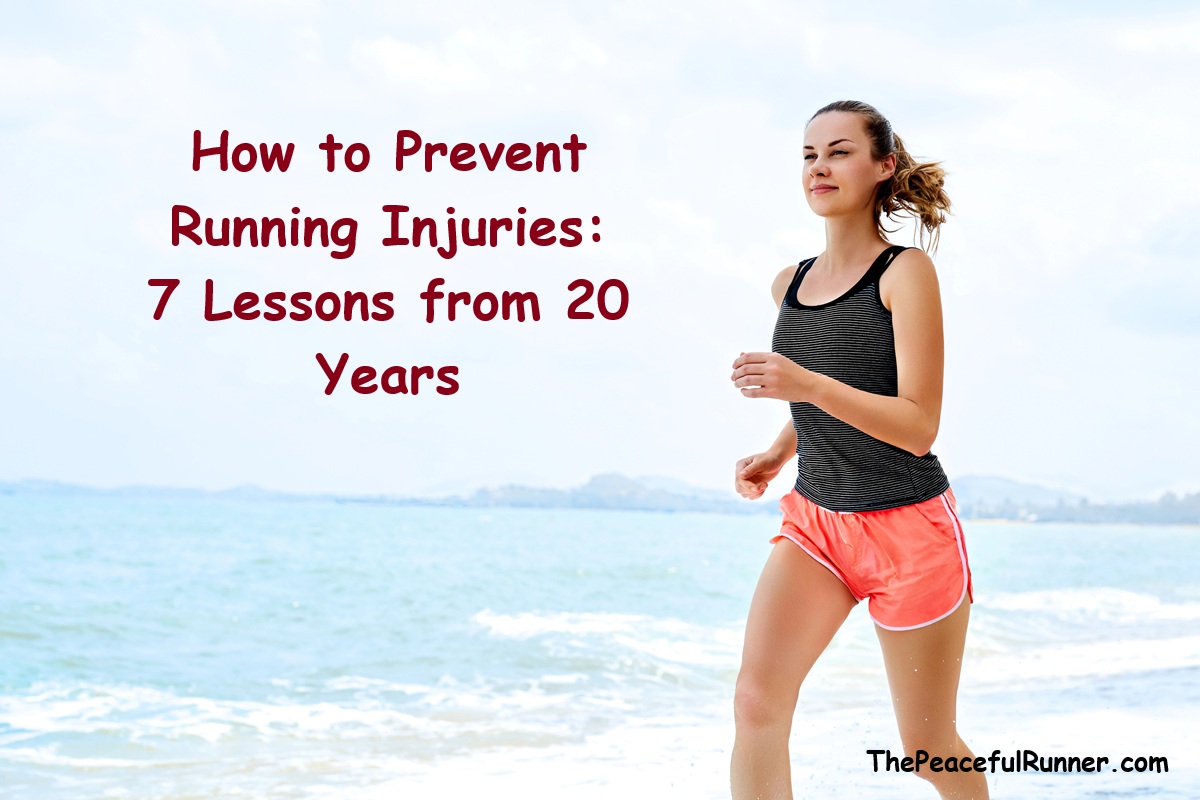
Our Body is Not the Problem
When we get injured, the first thing most of us do is blame our body. We think our glutes are weak, our hamstrings are tight, our arches are bad, our knees are old. The injury becomes proof that something is wrong with us.
I used to think this way too. In my first few years of running, I assumed pain meant my body was failing me. It took me a long time to see it the other way around. The pain was not my body breaking. It was my body talking. There is a difference.
When we treat our body as the enemy, every twinge becomes evidence in a case against ourselves. When we treat it as a messenger, the same twinge becomes information. Same sensation, completely different relationship.
Fear Causes More Injuries Than Mileage Does
This one took me years to be willing to say out loud. We get injured because we are tense, not because we ran too far. And we are tense because, on some level, we are afraid. Afraid of getting slower. Afraid of the next injury. Afraid of falling behind on our training plan or maybe afraid of losing a job or another fear that has nothing to do with running.
Whenever we are feeling fear, there is a reaction in our body. We will notice that our shoulders ride higher, our jaw sets, our breathing gets shallow, our stride shortens. A tense body moves badly. A body that moves badly gets injured. The loop is that simple, and almost nobody talks about it because it sounds too soft to be true.
It is true.
The Cause Is Rarely Where the Pain Is
If our knee hurts, the knee is rarely the problem. The knee is where the symptom showed up. The cause is usually somewhere else, in our hips, our feet, how we breathe, how we hold our shoulders, what we were thinking about three miles in.
This is why so many of us chase one injury after another. We treat the knee, the knee gets better, and then the calf goes. We treat the calf, the calf gets better, and then the IT band flares up. We are playing whack-a-mole with symptoms because nobody told us the whole system is connected.
Stretching More is Not the Answer
I know this from experience in my early days of running. I stretched more than anyone I knew.
Most of the runners I talk to are already stretching often. They stretch before they run, they stretch after they run, they foam roll, they have a whole routine. And they are still getting injured.
Stretching a tense muscle harder does not make it less tense. It makes it temporarily longer. The tension comes back, often within hours, because the tension is not living in the muscle. It is living in the nervous system. We have to talk to the nervous system, not pull on the rope.
This is what I learned from the Feldenkrais Method, when I healed a long-term back problem in my early 40s. Tiny mindful movement plus focused attention released what was restricting me, in a way that years of stretching never had. Feldenkrais was my first teacher in this. Developing a strong mind-body connection has been my second.
We Cannot Out-Train A Bad Relationship With Our Body
I have watched runners do everything "right" by the metrics. Mileage progression by the book. Strength training or yoga twice a week. Sleep tracked. Nutrition dialed in. And yet they keep getting injured.
I believe this is because they do not actually like being present with their bodies while running. They just want to run without paying any attention to how their body is moving, feeling or the signals it is giving them. They don't want to work with their body or feel what it is feeling.
I do not think we can stay healthy doing something our body senses as a rejection or resistance. Our energy is part of the picture, even when we are not paying attention to it. When we run with quiet resistance in our body all the time, that resistance will show up somewhere eventually.
The Runners Who Last Are Not The Toughest Ones
Early in my running life, I thought being a good runner meant pushing through. Pain was weakness leaving the body. That is one of the most useful things I have unlearned.
The runners I know who are still running well in their 50s, 60s, and beyond are not the toughest. They are the most honest. They listen earlier. They back off sooner. They do not need an injury to give them permission to rest. They take the rest before the injury forces them to.
What we call toughness in running is sometimes just not listening.
We Are Not Victims Of Our Body
This is the most important thing I have learned in twenty years of running, and it is the thing I most want you to take from this article.
We are not victims of our knees, our hips, our age, our build, our old sports injury, or our genetics. Our body is responsive. It listens. It adapts. It heals. It changes in response to what we do, what we think, what we fear, and what we believe is possible.
I started running in pain in my early 40s. I am still running, twenty years later, mostly without it. Not because my body got younger. Because I changed how I related to it. I learned to give my body my attention instead of my force, and that one shift changed everything.
The next time you notice a small ache while you run, try this. Do not push past it and do not panic. Slow down for a moment, breathe into your belly, and put your gentle attention right on the place that is speaking. Ask it, "What are you telling me?" And then wait for the answer. The answer may come right away, or it may come on your next run. Either way, you will have started a different conversation with your body, and that conversation is where everything begins.
Thank you for being here and running alongside me. The road ahead is hopefully very long, and we have what we need within us to keep going for the duration!
P.S. I have been working on something this year that goes deeper into all seven of these lessons. It is a workbook for runners, and it will be ready later this summer. If you are already a member of the Peaceful Runner VIP Club, you will be the first to know when it's released.
Update, July 2026: The Peaceful Runner Method workbook is now available. If you have been waiting for it, you can find it here: The Peaceful Runner Method
Join the newsletter and the template comes by email.
Back to the top of How to Prevent Running Injuries
Return to Prevent Injuries
- Home
- Prevent Injuries
- How to Prevent Running Injuries
NEW FEATURE - DISQUS COMMENTS!
Login using Facebook, Twitter, Google or Disqus.
Want my writing to find you more easily?
Add The Peaceful Runner as a preferred source on Google

FTC Disclosure: As an Amazon Associate, I earn from qualifying purchases. Learn more


Recent Articles


-
My Back Healed, and It Changed How I Run
Sep 15, 26 02:07 PM

Why I recommend this online Feldenkrais running course to runners who keep getting hurt. -
Six Hot Runs in Protaras, and the Quiet Trail I Found
Aug 31, 26 12:35 PM

Running in Protaras in July heat. The busy boardwalk north, the quiet gravel trail south towards Green Bay, and how to stay present when it is hot. -
An Honest Note About Runners Trots, and What I Am Beginning to Suspect
Aug 05, 26 10:22 AM

A personal story from a Saturday morning parkrun, and what I am beginning to suspect about the connection between fear, tension, and cramping. -
Josh Kerr's Training Routine: The Foundations of a Mile World Record
Jul 20, 26 06:04 AM

Josh Kerr just broke the mile world record. He ran 3:42.66 in London Saturday, taking down a mark that stood for 27 years. -
Introducing The Peaceful Runner Method Workbook
Jul 08, 26 06:01 AM

Announcing The Peaceful Runner Method Workbook, a mind-body guide for runners who keep getting hurt. Learn eleven simple practices for running injury-free. -
How to Listen to Your Body When Running
Jun 20, 26 09:44 AM

A true story about a stubborn ache and what listening to my body taught me. -
How To Prevent Running Injuries - 7 Lessons
Jun 05, 26 12:50 PM
Seven things I have learned about running injuries that most runners are never told. -
Why More Runners Are Switching to Toe Socks
May 04, 26 02:04 PM
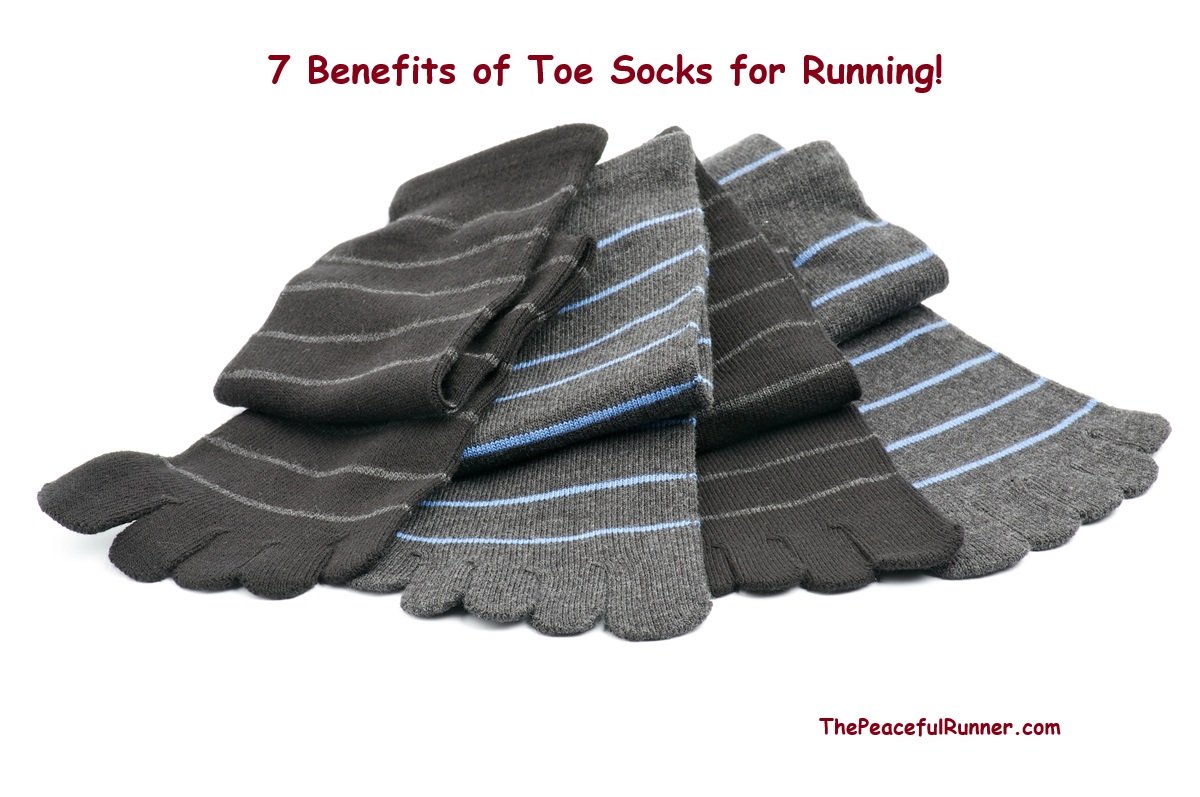
Toe socks might look a little unusual at first, but more and more runners are making the switch. They can make a meaningful difference to your running comfort and performance. -
What Heel Strikers Should Know
Apr 10, 26 01:34 PM

If you’ve ever wondered whether your stride is helping or holding you back, this will give you clarity. -
Excellent Design and Craftsmanship: #PRPocket Review
Mar 09, 26 10:49 AM



Free Running Form Template
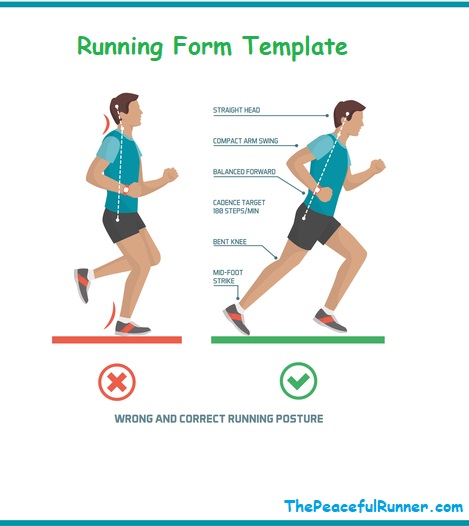
Get the running form template now!
My template provides a straightforward explanation of the components of good running form, eliminating any confusion about how to improve your running technique.
Hate bulky phone holders
that bounce and slip?

The #PRPocket clips securely to the inside of your waistband.

Try our Guided Running Meditation to become a peaceful, happy and injury free runner.
© Copyright 2010-2026, By Jackie Linehan, RTTP, C.Hyp, ThePeacefulRunner.com.
All Rights Reserved.
Home | About Me | Search | Site Map | Contact Me | Privacy Policy | Disclaimer | Terms and Conditions