- Home
- Feldenkrais for Runners
Feldenkrais for Runners: The Method That
Changed How I Run
Some of the links on this page are affiliate links, so I get paid a commission if you buy through them. It costs you nothing extra.
I have been running for over twenty years and I am rarely injured. That is not luck, and it is not because I have a naturally strong body. It comes from something I learned while trying to sort out a back problem that I had for years.
The Feldenkrais® Method worked, but the lasting thing was not the relief. It was understanding that my back had never been damaged. Its movement was restricted, and the pain was the message.
I was already running by then, and hurting after most runs no matter how much I stretched. So I began paying attention to how I moved while I ran. My form improved on its own. And when I felt a niggle anywhere in my body, I gave it that same careful attention early, before it had a chance to become anything. It did not turn into an injury.
The fuller version of that story sits on my page about the online Feldenkrais running course. What follows here is about the method itself, and how it applies to running.
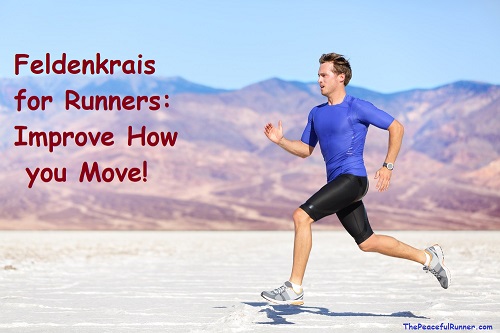
What Feldenkrais Is, and What It Is Not
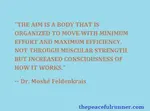
The Feldenkrais method was created by Dr. Moshe Feldenkrais, a physicist who came to it through his own knee injury. It is not exercise and it is not therapy. It is better described as a learning method.
In a lesson you make very small movements and give them your complete attention. Nothing is forced. Nothing is repeated for the sake of repetition. It is often done lying down, and there is no effort in it in the way we usually mean effort. What changes is not the strength of a muscle but the quality of a movement, because you have felt something you were not feeling before.
What matters for us here is the bigger picture. Most approaches to running pain treat the body as a machine with a broken part. Feldenkrais treats it as something that has learned a habit, and it can learn a different one. Nothing needs fixing on the outside. The restriction is in how we are moving, and once we feel it, it starts to release.
This is where my
belief that runners are not victims of their bodies comes from. It is not simply a statement of encouragement. It is what happens when you pay attention.
Free Running Form Template
A simple breakdown of what good running form actually involves. It comes by email when you join the newsletter.
Why This Matters More for Runners
Running is the same movement repeated thousands of times in a single hour. That is what makes it wonderful and it is also what makes it unforgiving. A small inefficiency is not a small thing when it happens forty thousand times.
If we cannot feel how we are moving, we cannot know what we are repeating. We find out later, when the calf tightens or the knee starts hurting on the hills.
Feldenkrais gives us the missing piece, which is the ability to feel what we are doing while we are doing it. Not to analyse it afterwards, and not to correct it by force. Simply to feel it, which turns out to be enough. When we can feel where we are working harder than we need to, the body finds its own way out.
There is more on running with the whole body, which is the part of this most runners have never been taught.
A Runner, an
Engineer, and a Foot That Would Not Heal
Tom had been running for twelve years when he developed plantar fasciitis, a chronic pain in the bottom of his foot. He tried many things and found relief in none of them.
He is a mechanical engineer, which matters here. What convinced him was not a promise of relief. It was a practitioner explaining, functionally, how all the parts of him were connected.
In his first lesson he lay on the table with his hands in the air and found he could not turn his body from side to side. He was shocked by it. After a few minutes of small, guided movement, he could, and not just barely. Easily.

Listen to what he says about running afterwards, because it is the most important part. He was not trying to run differently. He was just running, and it had become easier, because his body was moving more easily.
That is the whole idea, in a runner's own words. We do not improve our form by forcing it into a better shape. We release what is in the way, and better movement is what remains.
His foot pain went away and he was running again within weeks. The following year he ran three marathons, including a personal best.
Try This Before
Your Next Run
This takes about five minutes and it will give you a sense of what Feldenkrais actually feels like. It asks for concentration rather than effort. Closing your eyes helps, especially the first time.
Stand in bare feet and find three contact points on the sole of each foot: the ball of the big toe, the ball of the little toe, and the centre of the heel. Start with the left foot and feel all three. The weight should be spread evenly between them. Then move your attention to the right foot and do the same. Take your time. Do not move on until you have a true sense of all six points.
Now shift your weight slowly from one foot to the other, and notice how each foot meets the floor. Repeat it until you can picture it clearly with your eyes closed.
Then take a single step with whichever foot you like, and notice how and when the whole foot makes contact. Bring it back and step again with the same foot. This time, notice how your hip moved to carry that foot forward and down. Notice how much movement is involved in one step.
Step with the other foot and do the same. Notice how the hip must move for the foot to move forward, land, and take your weight evenly across those three points.
On your next run, bring your attention to your hips and to those three contact points. Do not try to change anything. Simply notice what your body is doing. This is the part that surprises people. When we stop trying to correct an imbalance and give it our attention instead, it often corrects itself.
That is a whole Feldenkrais lesson, in five minutes. No effort, just attention.
Where to Start
If you would rather feel it than read about it, take a closer look at body awareness.
If you want a real lesson from a practitioner rather than a written description, Jae Gruenke of The Balanced Runner has made the first lesson of her six-week course free. You do not need to pay anything to take it: Free Taster Lesson
And if that lesson does something for you, here is the course I recommend and my reasons for recommending it: Online Feldenkrais Running Course.
For the specific mind-body
practices that I use, there is The
Peaceful Runner Method workbook. Eleven practices, including the attention
work this page is built on.
Closing
Feldenkrais gave me something I was not looking for when I went to sort out my back. Not a treatment, but the understanding that pain is usually a message about how I am moving, and that I am the only one who can hear it.
You do not need a practitioner or a course to begin. Bare feet, five minutes, and the willingness to look closely at something you have been doing your whole life.
More Feldenkrais® resources:
Online Feldenkrais Running Course: Why I Recommend It
Feldenkrais healed a back problem no other approach could. Here is the online Feldenkrais running course I recommend, and what it costs.
Learn Body Awareness and Run Injury Free!
Learn body awareness and prevent running injuries. With enhanced awareness we learn to let our body heal itself, keep it healthy and run injury free.
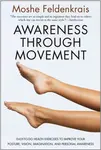
Feldenkrais Exercises Can Improve How you Move
Feldenkrais exercises improve how you move with less pain and fewer injuries. Discover new movements as your body and brain learn to communicate better.
How Running with the Whole Body Helps Prevent Injury
Running with the whole body helps you run faster with less effort, move more smoothly, and reduce injury risk through a 30-day body-awareness program.
How to Radically Transform Running - The Feldenkrais Way
How to Radically Transform Running - The Feldenkrais® Method can teach you about your own body and its specific needs. You can learn to move more efficiently and perform better without the tension that more effort creates.
The Feldenkrais Method and Running Injury Free
The Feldenkrais Method can help you become a better runner and lets you discover your true potential through awareness of mind, body and spirit.


Back to top of Feldenkrais for Runners
- Home
- Feldenkrais for Runners
NEW FEATURE - DISQUS COMMENTS!
Login using Facebook, Twitter, Google or Disqus.
Want my writing to find you more easily?
Add The Peaceful Runner as a preferred source on Google

Recent Articles


-
Feldenkrais for Runners: The Method That Changed How I Run
Sep 20, 26 10:01 AM
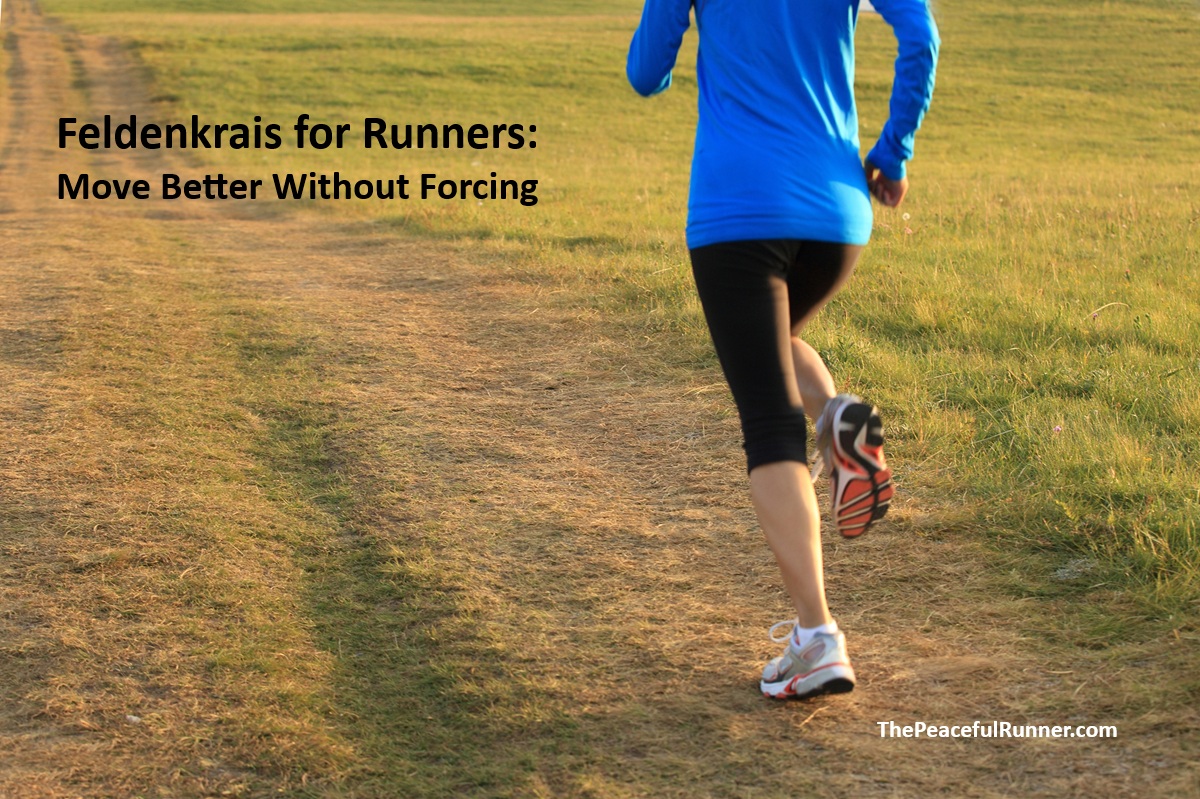
Feldenkrais for runners teaches you to feel how you move, so restriction releases and a niggle stops becoming an injury. Has a five-minute practice to try. -
My Back Healed, and It Changed How I Run
Sep 15, 26 02:07 PM
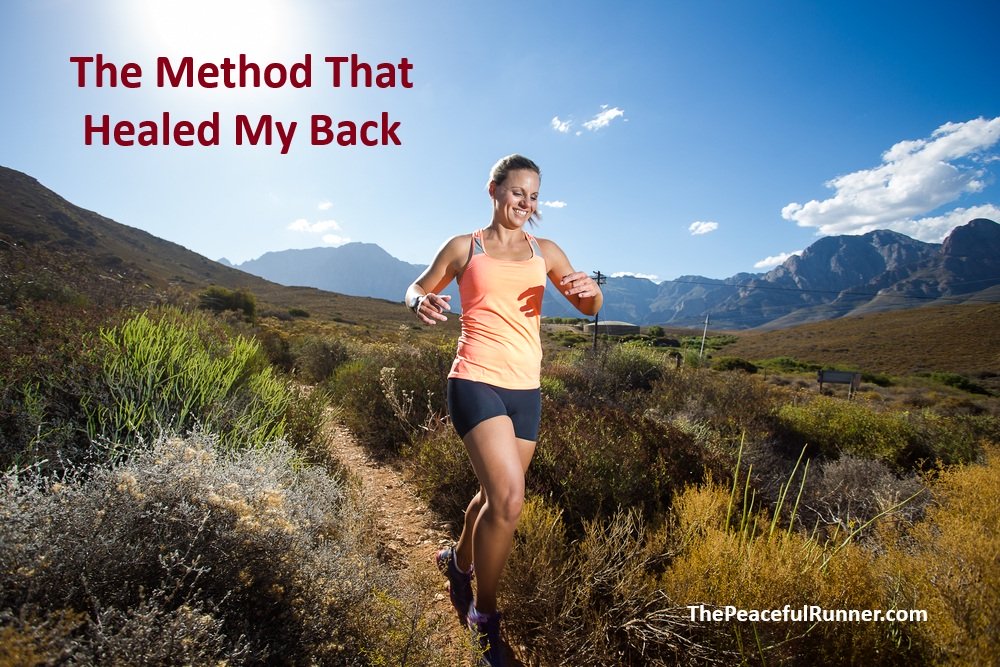
Why I recommend this online Feldenkrais running course to runners who keep getting hurt. -
Six Hot Runs in Protaras, and the Quiet Trail I Found
Aug 31, 26 12:35 PM
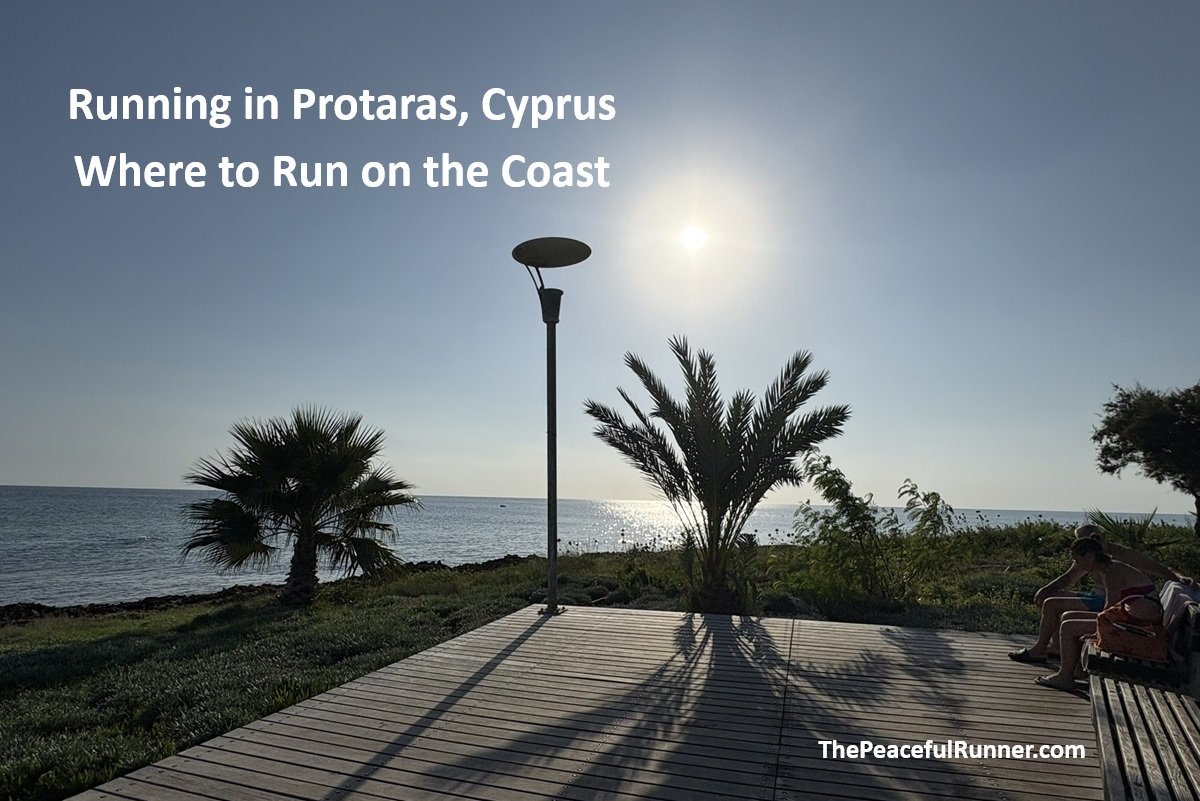
Running in Protaras in July heat. The busy boardwalk north, the quiet gravel trail south towards Green Bay, and how to stay present when it is hot. -
An Honest Note About Runners Trots, and What I Am Beginning to Suspect
Aug 05, 26 10:22 AM

A personal story from a Saturday morning parkrun, and what I am beginning to suspect about the connection between fear, tension, and cramping. -
Josh Kerr's Training Routine: The Foundations of a Mile World Record
Jul 20, 26 06:04 AM

Josh Kerr just broke the mile world record. He ran 3:42.66 in London Saturday, taking down a mark that stood for 27 years. -
Introducing The Peaceful Runner Method Workbook
Jul 08, 26 06:01 AM

Announcing The Peaceful Runner Method Workbook, a mind-body guide for runners who keep getting hurt. Learn eleven simple practices for running injury-free. -
How to Listen to Your Body When Running
Jun 20, 26 09:44 AM

A true story about a stubborn ache and what listening to my body taught me. -
How To Prevent Running Injuries - 7 Lessons
Jun 05, 26 12:50 PM
Seven things I have learned about running injuries that most runners are never told. -
Why More Runners Are Switching to Toe Socks
May 04, 26 02:04 PM
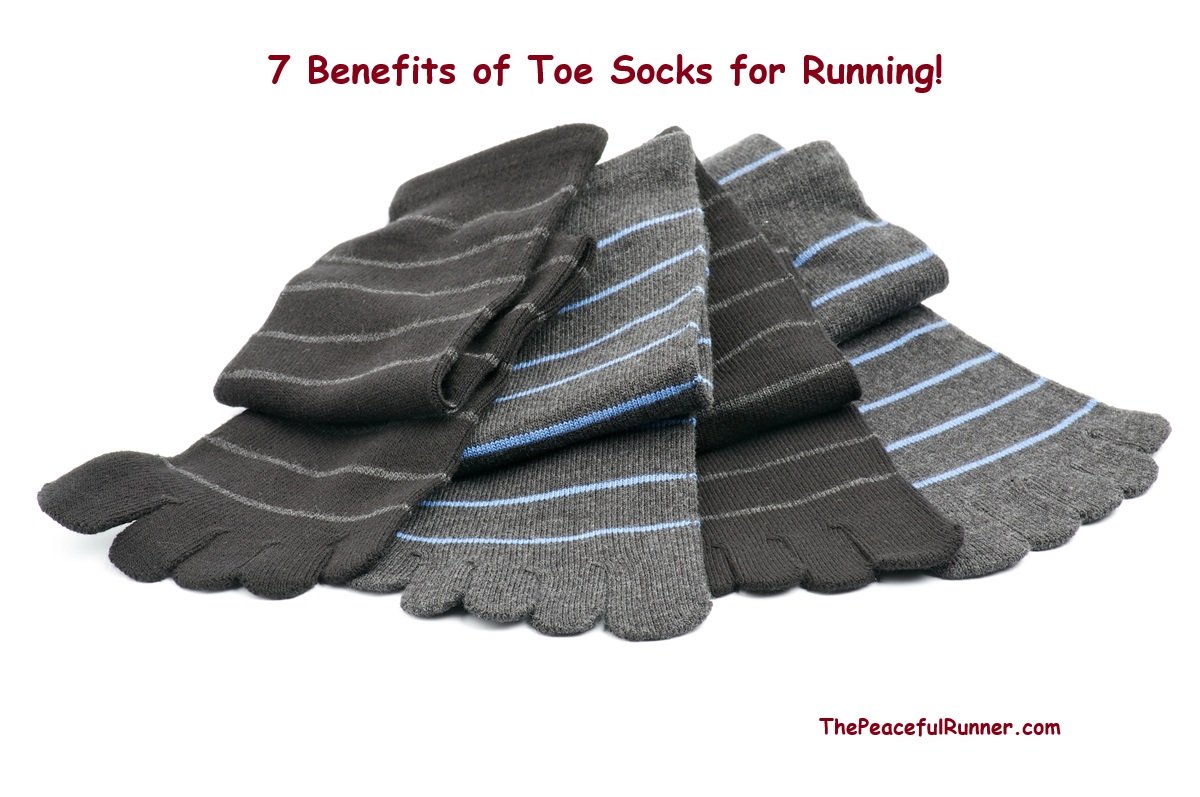
Toe socks might look a little unusual at first, but more and more runners are making the switch. They can make a meaningful difference to your running comfort and performance. -
What Heel Strikers Should Know
Apr 10, 26 01:34 PM
If you’ve ever wondered whether your stride is helping or holding you back, this will give you clarity.
Hate bulky phone holders
that bounce and slip?
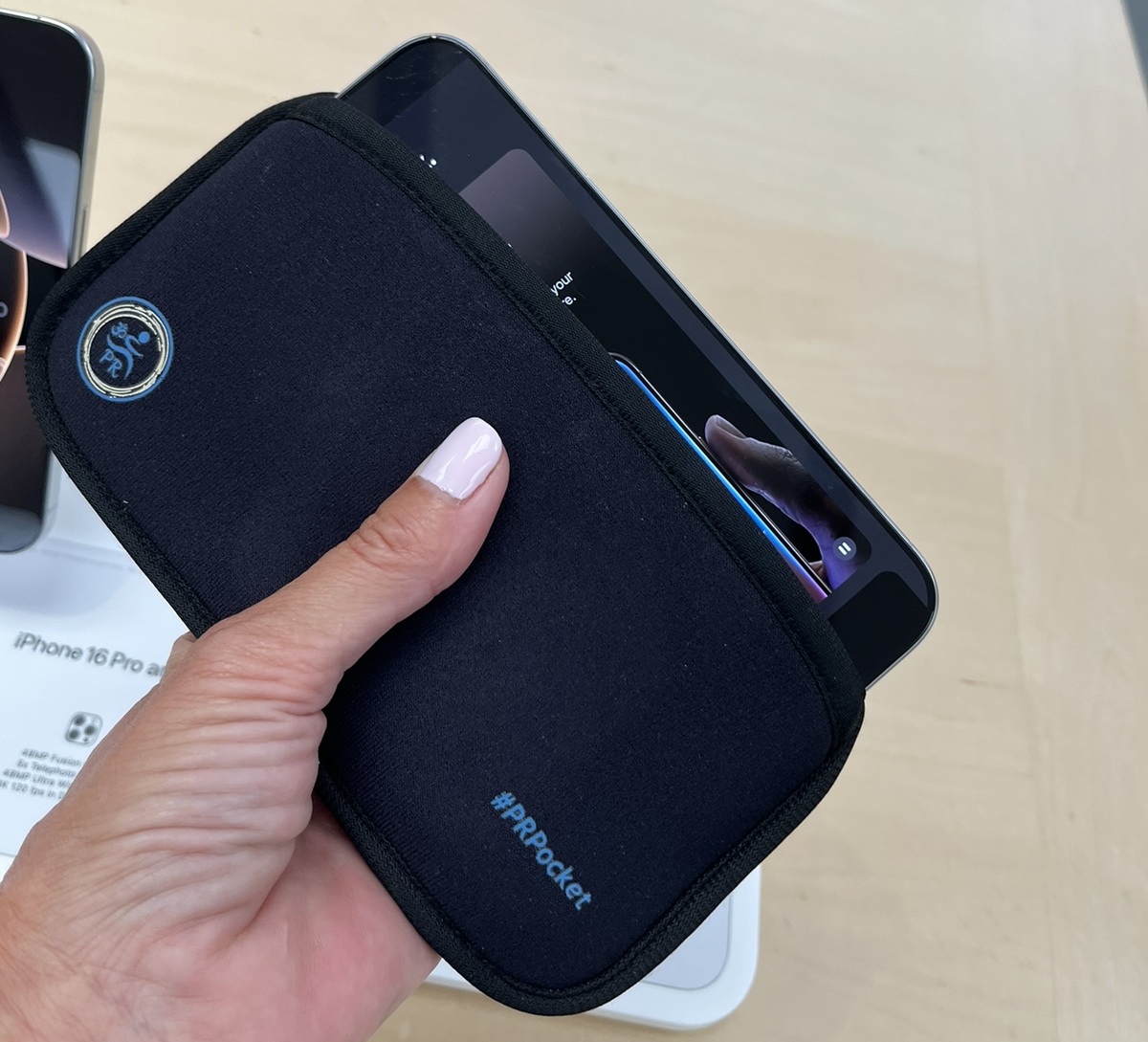
The #PRPocket clips securely to the inside of your waistband.

Try our Guided Running Meditation to become a peaceful, happy and injury free runner.
© Copyright 2010-2026, By Jackie Linehan, RTTP, C.Hyp, ThePeacefulRunner.com.
All Rights Reserved.
Home | About Me | Search | Site Map | Contact Me | Privacy Policy | Disclaimer | Terms and Conditions